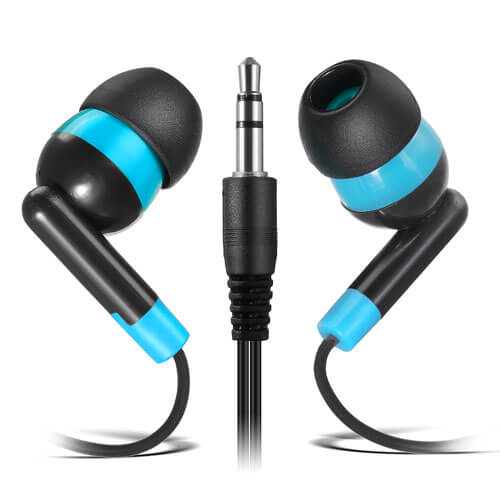
تصف سياسة الخصوصية هذه كيفية قيام موقع earphoneheadphone.com ("الموقع" أو "نحن") بجمع واستخدام والإفصاح عن معلوماتك الشخصية عند زيارتك للموقع أو إجراء عملية شراء منه.
جمع المعلومات الشخصية
عند زيارتك للموقع، نقوم بجمع معلومات معينة حول جهازك، وتفاعلك مع الموقع، والمعلومات اللازمة لمعالجة مشترياتك. قد نقوم أيضًا بجمع معلومات إضافية إذا اتصلت بنا للحصول على دعم العملاء. في سياسة الخصوصية هذه، نشير إلى أي معلومات يمكن أن تحدد هوية الفرد بشكل فريد (بما في ذلك المعلومات أدناه) باسم "المعلومات الشخصية". راجع القائمة أدناه لمزيد من المعلومات حول ماهية المعلومات الشخصية التي نجمعها وسبب ذلك.
معلومات الجهاز
أمثلة على المعلومات الشخصية التي يتم جمعها: إصدار متصفح الويب، وعنوان IP، والمنطقة الزمنية، ومعلومات ملفات تعريف الارتباط (كوكيز)، والمواقع أو المنتجات التي تشاهدها، ومصطلحات البحث، وكيفية تفاعلك مع الموقع. الغرض من الجمع: تحميل الموقع بدقة من أجلك، وإجراء تحليلات حول استخدام الموقع لتحسينه. مصدر الجمع: يتم الجمع تلقائيًا عند وصولك إلى موقعنا باستخدام ملفات تعريف الارتباط، وملفات السجل، ومنارات الويب، والعلامات، أو وحدات البكسل [أضف أو احذف أي تقنيات تتبع أخرى مستخدمة]. الإفصاح لغرض تجاري: تُشارك مع معالج البيانات الخاص بنا "Shopify" [أضف أي بائعين آخرين تشاركهم هذه المعلومات].
معلومات الطلب
أمثلة على المعلومات الشخصية التي يتم جمعها: الاسم، وعنوان إرسال الفواتير، وعنوان الشحن، ومعلومات الدفع (بما في ذلك أرقام بطاقات الائتمان [أدخل أي أنواع دفع أخرى مقبولة])، وعنوان البريد الإلكتروني، ورقم الهاتف. الغرض من الجمع: تزويدك بالمنتجات أو الخدمات لتنفيذ عقدنا، ومعالجة معلومات الدفع الخاصة بك، وترتيب الشحن، وتزويدك بالفواتير و/أو تأكيدات الطلبات، والتواصل معك، وفحص طلباتنا بحثًا عن مخاطر أو احتيال محتمل، وعندما يتماشى ذلك مع التفضيلات التي شاركتها معنا، تزويدك بمعلومات أو إعلانات تتعلق بمنتجاتنا أو خدماتنا. مصدر الجمع: تُجمع منك. الإفصاح لغرض تجاري: تُشارك مع معالج البيانات الخاص بنا "Shopify" [أضف أي بائعين آخرين تشاركهم هذه المعلومات. على سبيل المثال: قنوات المبيعات، وبوابات الدفع، وتطبيقات الشحن والتنفيذ].
معلومات دعم العملاء
أمثلة على المعلومات الشخصية التي يتم جمعها: [تعديلات على المعلومات المذكورة أعلاه أو معلومات إضافية حسب الحاجة] الغرض من الجمع: تقديم دعم العملاء. مصدر الجمع: تُجمع منك. الإفصاح لغرض تجاري: [أضف أي بائعين مستخدمين لتقديم دعم العملاء]
[أدخل أي معلومات أخرى تجمعها: بيانات غير متصلة بالإنترنت، بيانات/قوائم تسويقية تم شراؤها]
[أدخل القسم التالي إذا كان تقييد العمر مطلوبًا]
القاصرون
الموقع غير مخصص للأفراد الذين تقل أعمارهم عن [أدخل العمر]. نحن لا نجمع المعلومات الشخصية من الأطفال عن عمد. إذا كنت والدًا أو وصيًا وتعتقد أن طفلك قد زودنا بمعلومات شخصية، يرجى الاتصال بنا على العنوان أدناه لطلب حذفها.
مشاركة المعلومات الشخصية
نحن نشارك معلوماتك الشخصية مع مزودي الخدمة لمساعدتنا في تقديم خدماتنا وتنفيذ عقودنا معك، كما هو موضح أعلاه. على سبيل المثال:
نحن نستخدم "Shopify" لتشغيل متجرنا عبر الإنترنت. يمكنك قراءة المزيد حول كيفية استخدام "Shopify" لمعلوماتك الشخصية هنا: https://www.shopify.com/legal/privacy. قد نشارك معلوماتك الشخصية للامتثال للقوانين واللوائح المعمول بها، أو للاستجابة لأمر استدعاء، أو مذكرة تفتيش، أو أي طلب قانوني آخر للمعلومات نتلقاه، أو لحماية حقوقنا بطريقة أخرى. [أدخل معلومات حول مزودي الخدمة الآخرين]
[أدرج القسم التالي إذا كنت تستخدم إعادة التسويق أو الإعلانات المستهدفة]
الإعلانات السلوكية
كما هو موضح أعلاه، نستخدم معلوماتك الشخصية لتزويدك بإعلانات مستهدفة أو اتصالات تسويقية نعتقد أنها قد تهمك. على سبيل المثال:
[أدخل إذا كان ذلك قابلاً للتطبيق] نستخدم "Google Analytics" لمساعدتنا في فهم كيفية استخدام عملائنا للموقع. يمكنك قراءة المزيد حول كيفية استخدام Google لمعلوماتك الشخصية هنا: https://policies.google.com/privacy?hl=en. يمكنك أيضًا إلغاء الاشتراك في Google Analytics من هنا: https://tools.google.com/dlpage/gaoptout. [أدخل إذا كنت تستخدم تطبيق تسويق تابع لجهة خارجية يجمع معلومات حول نشاط المشتري على موقعك] نحن نشارك المعلومات المتعلقة باستخدامك للموقع، ومشترياتك، وتفاعلك مع إعلاناتنا على مواقع الويب الأخرى مع شركائنا الإعلانيين. نقوم بجمع ومشاركة بعض هذه المعلومات مباشرة مع شركائنا الإعلانيين، وفي بعض الحالات من خلال استخدام ملفات تعريف الارتباط أو تقنيات مشابهة أخرى (والتي قد توافق عليها، اعتمادًا على موقعك). [أدخل خدمات الإعلانات الأخرى المستخدمة]
لمزيد من المعلومات حول كيفية عمل الإعلانات المستهدفة، يمكنك زيارة الصفحة التعليمية لمبادرة الإعلان على الشبكة ("NAI") على الرابط: http://www.networkadvertising.org/understanding-online-advertising/how-does-it-work.
يمكنك إلغاء الاشتراك في الإعلانات المستهدفة من خلال:
[أدرج روابط إلغاء الاشتراك من أي خدمات يتم استخدامها. الروابط الشائعة تشمل:
فيسبوك - https://www.facebook.com/settings/?tab=ads
جوجل - https://www.google.com/settings/ads/anonymous
بينج - https://advertise.bingads.microsoft.com/en-us/resources/policies/personalized-ads]
بالإضافة إلى ذلك، يمكنك إلغاء الاشتراك في بعض هذه الخدمات من خلال زيارة بوابة إلغاء الاشتراك الخاصة بتحالف الإعلان الرقمي على الرابط: http://optout.aboutads.info/.
استخدام المعلومات الشخصية
نستخدم معلوماتك الشخصية لتقديم خدماتنا لك، والتي تشمل: عرض المنتجات للبيع، ومعالجة المدفوعات، وشحن وتجهيز طلبك، وإبقائك على اطلاع دائم بالمنتجات والخدمات والعروض الجديدة.
[أدرج القسم التالي إذا كان متجرك يقع في أوروبا أو إذا كان لديك عملاء في أوروبا]
الأساس القانوني
وفقًا للائحة العامة لحماية البيانات ("GDPR")، إذا كنت مقيمًا في المنطقة الاقتصادية الأوروبية ("EEA")، فإننا نعالج معلوماتك الشخصية بموجب الأسس القانونية التالية:
[أدرج كل ما ينطبق على عملك]
موافقتك؛ تنفيذ العقد بينك وبين الموقع؛ الامتثال لالتزاماتنا القانونية؛ حماية مصالحك الحيوية؛ تنفيذ مهمة تندرج ضمن المصلحة العامة؛ لمصالحنا المشروعة، التي لا تتجاوز حقوقك وحرياتك الأساسية. الاحتفاظ بالبيانات
عندما تقوم بتقديم طلب عبر الموقع، سنحتفظ بمعلوماتك الشخصية في سجلاتنا ما لم وحتى تطلب منا مسح هذه المعلومات. لمزيد من المعلومات حول حقك في المسح، يرجى الاطلاع على قسم "حقوقك" أدناه.
اتخاذ القرارات الآلي
إذا كنت مقيمًا في المنطقة الاقتصادية الأوروبية، فلديك الحق في الاعتراض على المعالجة التي تعتمد فقط على اتخاذ القرارات الآلي (بما في ذلك التنميط)، عندما يكون لاتخاذ القرار هذا أثر قانوني عليك أو يؤثر عليك بشكل كبير بطريقة أخرى.
نحن [نقوم/لا نقوم] بالمشاركة في اتخاذ قرارات آلية بالكامل لها أثر قانوني أو أثر كبير آخر باستخدام بيانات العملاء.
يستخدم معالج البيانات الخاص بنا "Shopify" اتخاذ قرارات آلي محدود لمنع الاحتيال الذي لا يكون له أثر قانوني أو أثر كبير آخر عليك.
الخدمات التي تتضمن عناصر اتخاذ القرارات الآلي تشمل:
قائمة حظر مؤقتة لعناوين IP المرتبطة بمعاملات فاشلة متكررة. تستمر قائمة الحظر هذه لبضع ساعات. قائمة حظر مؤقتة لبطاقات الائتمان المرتبطة بعناوين IP المدرجة في القائمة السوداء. تستمر قائمة الحظر هذه لبضعة أيام.
[أدرج القسم التالي فقط إذا كنت تبيع المعلومات الشخصية، كما هو محدد بموجب قانون خصوصية المستهلك في كاليفورنيا]
بيع المعلومات الشخصية
يبيع موقعنا المعلومات الشخصية، كما هو محدد بموجب قانون خصوصية المستهلك في كاليفورنيا لعام 2018 ("CCPA").
[أدخل:
فئات المعلومات المباعة؛ تعليمات حول كيفية إلغاء الاشتراك في البيع؛ ما إذا كان عملك يبيع معلومات القاصرين (تحت سن 16) وما إذا كنت تحصل على تفويض صريح؛ إذا كنت تقدم حافزًا ماليًا لعدم بيع المعلومات، قدم معلومات حول ماهية هذا الحافز.] حقوقك
[أدرج القسم التالي إذا كان متجرك يقع في أوروبا أو إذا كان لديك عملاء في أوروبا]
اللائحة العامة لحماية البيانات (GDPR)
إذا كنت مقيمًا في المنطقة الاقتصادية الأوروبية، فلديك الحق في الوصول إلى المعلومات الشخصية التي نحتفظ بها عنك، ونقلها إلى خدمة جديدة، وطلب تصحيح معلوماتك الشخصية أو تحديثها أو مسحها. إذا كنت ترغب في ممارسة هذه الحقوق، يرجى الاتصال بنا من خلال معلومات الاتصال أدناه [أو أدخل تعليمات بديلة لإرسال طلبات الوصول، والمسح، والتصحيح، وقابلية النقل].
ستتم معالجة معلوماتك الشخصية مبدئيًا في أيرلندا ثم سيتم نقلها خارج أوروبا للتخزين والمعالجة الإضافية، بما في ذلك إلى كندا والولايات المتحدة. لمزيد من المعلومات حول كيفية امتثال نقل البيانات للائحة العامة لحماية البيانات، راجع ورقة بيانات GDPR الخاصة بـ Shopify: https://help.shopify.com/en/manual/your-account/privacy/GDPR.
[أدرج القسم التالي إذا كان عملك يخضع لقانون خصوصية المستهلك في كاليفورنيا]
قانون خصوصية المستهلك في كاليفورنيا (CCPA)
إذا كنت مقيمًا في كاليفورنيا، فلديك الحق في الوصول إلى المعلومات الشخصية التي نحتفظ بها عنك (المعروف أيضًا باسم "الحق في المعرفة")، ونقلها إلى خدمة جديدة، وطلب تصحيح معلوماتك الشخصية أو تحديثها أو مسحها. إذا كنت ترغب في ممارسة هذه الحقوق، يرجى الاتصال بنا من خلال معلومات الاتصال أدناه [أو أدخل تعليمات بديلة لإرسال طلبات الوصول، والمسح، والتصحيح، وقابلية النقل].
إذا كنت ترغب في تعيين وكيل مفوض لتقديم هذه الطلبات نيابة عنك، يرجى الاتصال بنا على العنوان أدناه.
ملفات تعريف الارتباط (الكوكيز)
ملف تعريف الارتباط هو قدر صغير من المعلومات يتم تنزيله على جهاز الكمبيوتر أو الجهاز الخاص بك عند زيارتك لموقعنا. نحن نستخدم عددًا من ملفات تعريف الارتباط المختلفة، بما في ذلك ملفات تعريف الارتباط الوظيفية، والأداء، والإعلانية، وملفات تعريف الارتباط الخاصة بوسائل التواصل الاجتماعي أو المحتوى. تجعل ملفات تعريف الارتباط تجربة التصفح الخاصة بك أفضل من خلال السماح للموقع بتذكر أفعالك وتفضيلاتك (مثل تسجيل الدخول واختيار المنطقة). وهذا يعني أنك لا تضطر إلى إعادة إدخال هذه المعلومات في كل مرة تعود فيها إلى الموقع أو تتصفح من صفحة إلى أخرى. توفر ملفات تعريف الارتباط أيضًا معلومات حول كيفية استخدام الأشخاص للموقع، على سبيل المثال ما إذا كانوا يزورونه لأول مرة أو إذا كانوا زوارًا متكررين.
نحن نستخدم ملفات تعريف الارتباط التالية لتحسين تجربتك على موقعنا وتقديم خدماتنا.
ملفات تعريف الارتباط الضرورية لعمل المتجر الاسم الوظيفة _ab تستخدم فيما يتعلق بالوصول إلى لوحة الإدارة. _secure_session_id تستخدم فيما يتعلق بالتنقل عبر واجهة المتجر. cart تستخدم فيما يتعلق بسلة التسوق. cart_sig تستخدم فيما يتعلق بالدفع. cart_ts تستخدم فيما يتعلق بالدفع. checkout_token تستخدم فيما يتعلق بالدفع. secret تستخدم فيما يتعلق بالدفع. secure_customer_sig تستخدم فيما يتعلق بتسجيل دخول العميل. storefront_digest تستخدم فيما يتعلق بتسجيل دخول العميل. _shopify_u تستخدم لتسهيل تحديث معلومات حساب العميل. التقارير والتحليلات الاسم الوظيفة _tracking_consent تفضيلات التتبع. _landing_page تتبع الصفحات المقصودة _orig_referrer تتبع الصفحات المقصودة _s تحليلات Shopify. _shopify_fs تحليلات Shopify. _shopify_s تحليلات Shopify. _shopify_sa_p تحليلات Shopify المتعلقة بالتسويق والإحالات. _shopify_sa_t تحليلات Shopify المتعلقة بالتسويق والإحالات. _shopify_y تحليلات Shopify. _y تحليلات Shopify.
[أدخل ملفات تعريف الارتباط أو تقنيات التتبع الأخرى التي تستخدمها]
يعتمد طول الوقت الذي يظل فيه ملف تعريف الارتباط على جهاز الكمبيوتر أو الجهاز المحمول الخاص بك على ما إذا كان ملف تعريف ارتباط "دائم" أو "جلسة". تستمر ملفات تعريف ارتباط الجلسة حتى تتوقف عن التصفح، وتستمر ملفات تعريف الارتباط الدائمة حتى تنتهي صلاحيتها أو يتم حذفها. معظم ملفات تعريف الارتباط التي نستخدمها دائمة وستنتهي صلاحيتها بين 30 دقيقة وعامين من تاريخ تنزيلها على جهازك.
يمكنك التحكم في ملفات تعريف الارتباط وإدارتها بطرق مختلفة. يرجى تذكر أن إزالة أو حظر ملفات تعريف الارتباط يمكن أن يؤثر سلبًا على تجربة المستخدم الخاصة بك وقد لا تصبح أجزاء من موقعنا الإلكتروني قابلة للوصول بالكامل.
تقبل معظم المتصفحات ملفات تعريف الارتباط تلقائيًا، ولكن يمكنك اختيار قبول ملفات تعريف الارتباط أو عدم قبولها من خلال عناصر التحكم في متصفحك، والتي توجد غالبًا في قائمة "الأدوات" أو "التفضيلات" في متصفحك. يمكن العثور على مزيد من المعلومات حول كيفية تعديل إعدادات المتصفح الخاص بك أو كيفية حظر أو إدارة أو تصفية ملفات تعريف الارتباط في ملف المساعدة الخاص بمتصفحك أو من خلال مواقع مثل www.allaboutcookies.org.
بالإضافة إلى ذلك، يرجى ملاحظة أن حظر ملفات تعريف الارتباط قد لا يمنع تمامًا كيفية مشاركتنا للمعلومات مع أطراف ثالثة مثل شركائنا الإعلانيين. لممارسة حقوقك أو إلغاء الاشتراك في بعض استخدامات معلوماتك من قبل هذه الأطراف، يرجى اتباع التعليمات الواردة في قسم "الإعلانات السلوكية" أعلاه.
عدم التعقب
يرجى ملاحظة أنه نظرًا لعدم وجود فهم ثابت في الصناعة حول كيفية الاستجابة لإشارات "عدم التعقب"، فإننا لا نغير ممارسات جمع البيانات واستخدامها عندما نكتشف مثل هذه الإشارة من متصفحك.
التغييرات
قد نقوم بتحديث سياسة الخصوصية هذه من وقت لآخر لتعكس، على سبيل المثال، التغييرات في ممارساتنا أو لأسباب تشغيلية أو قانونية أو تنظيمية أخرى.
الاتصال
لمزيد من المعلومات حول ممارسات الخصوصية الخاصة بنا، إذا كانت لديك أسئلة، أو إذا كنت ترغب في تقديم شكوى، يرجى الاتصال بنا عبر البريد الإلكتروني على [عنوان البريد الإلكتروني] أو بالبريد باستخدام التفاصيل الواردة أدناه:
Longhuaxinqu Shangyousongcun162dong1501 Shenzhen, 518000 GuangDong, CN
آخر تحديث: [التاريخ]
إذا لم تكن راضيًا عن ردنا على شكواك، فلديك الحق في تقديم شكواك إلى سلطة حماية البيانات ذات الصلة. يمكنك الاتصال بسلطة حماية البيانات المحلية الخاصة بك، أو بسلطتنا الإشرافية هنا: [أضف معلومات الاتصال أو الموقع الإلكتروني لسلطة حماية البيانات في ولايتك القضائية. على سبيل المثال: https://ico.org.uk/make-a-complaint/]